


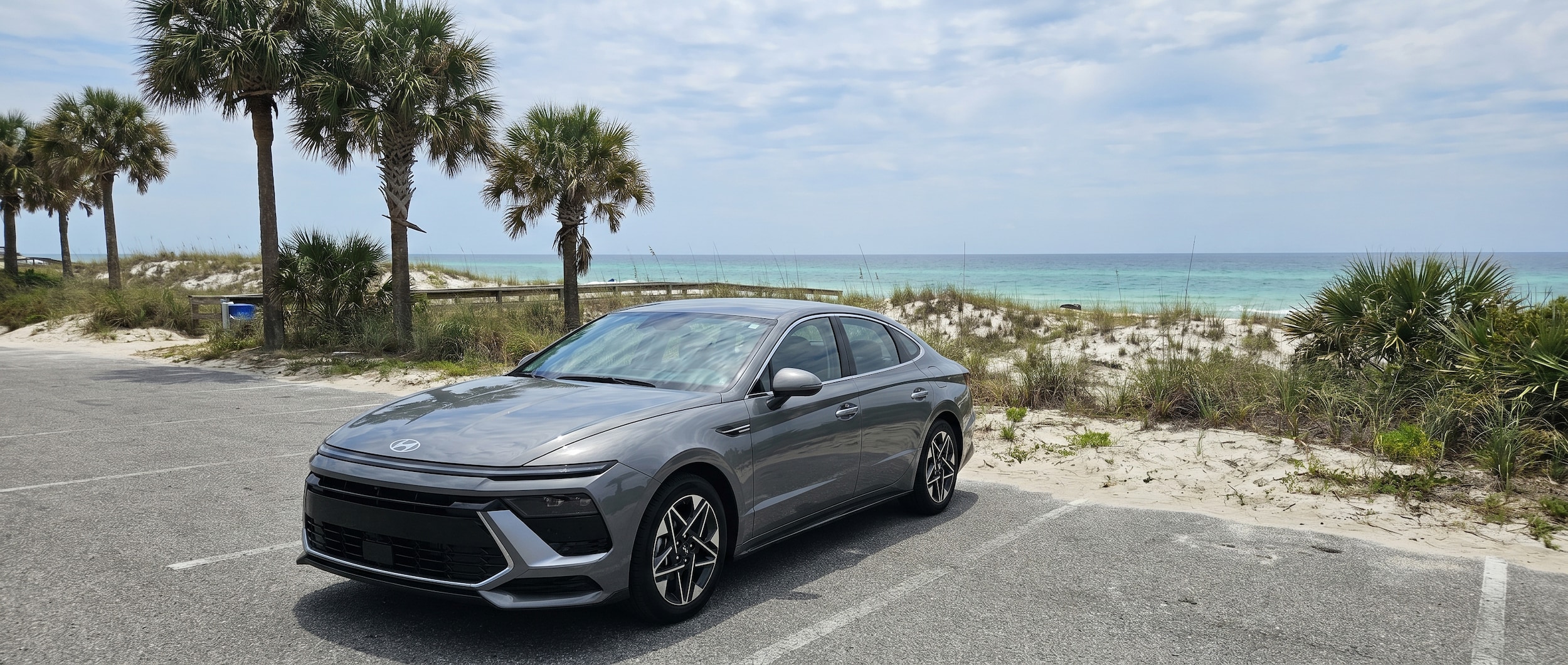
Salt air can reduce your vehicle's lifespan by up to 5 years if left unchecked - a serious concern for every Hyundai owner in Panama City, FL. The combination of Gulf Coast humidity, scorching summer temperatures, and constant salt exposure creates unique maintenance challenges that inland drivers never face. Understanding these conditions and adapting your service schedule accordingly protects your investment and keeps your Tucson, Palisade, or Santa Fe running reliably for years. This guide reveals exactly what Bay County's coastal environment does to your vehicle and which preventive measures make the biggest difference.
How Panama City's Coastal Climate Attacks Your Hyundai
Your Hyundai faces a triple threat every day: salt particles travel up to 20 miles inland from the Gulf, creating corrosion risk even if you never drive on the beach. The salt doesn't just sit on your vehicle's surface - it bonds with morning dew and evening humidity to form a corrosive film that works 24/7. Combined with summer temperatures that regularly exceed 90°F and humidity levels above 70%, this creates perfect conditions for accelerated wear on everything from your undercarriage to your air conditioning system.
The damage happens faster than most drivers realize. Salt corrosion can compromise brake lines within 3-4 years, while untreated undercarriage rust can weaken structural components in half the time it would take in drier climates. Even your Hyundai's advanced paint protection needs extra attention here - microscopic salt crystals embed themselves in clear coat imperfections, creating rust points that spread beneath the surface.
Did you know? Vehicles in coastal areas like Panama City Beach require coolant system flushes 30% more frequently than manufacturer recommendations due to the corrosive effects of salt-laden air on aluminum components.
This brings us to the specific vulnerabilities that need your attention.
Critical Components That Need Extra Protection Near the Gulf
Six key systems on your Hyundai require enhanced protection in Bay County's coastal environment, and understanding which components face the highest risk helps you prioritize maintenance investments.
| Component | Risk Level | Inspection Frequency | Primary Threat |
|---|---|---|---|
| Brake Lines & Components | Critical | Every 3 months | Salt corrosion causing line failure |
| Undercarriage & Frame | High | Monthly | Rust formation in hidden areas |
| Cooling System | High | Every 6 months | Corrosion of aluminum parts |
| Electrical Connections | Moderate | Every 6 months | Salt bridge formation |
| Door Seals & Weather Stripping | Moderate | Every 3 months | UV damage + salt deterioration |
| Paint & Clear Coat | Moderate | Monthly | Micro-scratches harboring salt |
Your brake system faces the most immediate danger. Salt accelerates the corrosion of brake lines, calipers, and rotors - components that directly affect your safety. The Tucson's and Santa Fe's brake systems use exposed metal components that salt air attacks relentlessly, especially in the wheel wells where road spray concentrates corrosive materials.
The undercarriage takes constant abuse from salt spray kicked up while driving on coastal roads like Highway 98 or Front Beach Road. Even if you avoid beach driving, salt particles accumulate in frame channels, suspension components, and exhaust systems. Modern Hyundai models include some undercoating from the factory, but it's not designed for constant coastal exposure.
Pro tip: Schedule undercarriage inspections after major storms - hurricane-force winds can drive salt spray miles inland, coating vehicles parked far from the beach with corrosive residue.
Your Seasonal Service Calendar for Bay County Conditions
Timing your maintenance around Panama City's weather patterns maximizes protection while minimizing cost - here's your month-by-month guide adapted for local conditions.
Spring (March - May): Storm Prep Season
- Full undercarriage wash and inspection
- Replace worn weather stripping before hurricane season
- Test A/C performance before peak heat arrives
- Apply paint sealant while humidity is lower
Summer (June - August): Heat Management Focus
- Coolant system flush if due
- Battery test (heat kills batteries faster than cold)
- Check tire pressure weekly (heat causes expansion)
- Monthly undercarriage rinse
Fall (September - November): Post-Storm Recovery
- Comprehensive salt removal after any tropical weather
- Brake system inspection
- Replace cabin air filter (high pollen season)
- Touch up any paint chips before winter
Winter (December - February): Corrosion Prevention
- Apply rust inhibitor to vulnerable areas
- Check all fluid levels (temperature swings stress seals)
- Inspect door and window seals
- Schedule major services during mild weather
The IONIQ 5 and IONIQ 6, with their advanced electrical systems, need special attention during summer months when heat and humidity peak. Their high-voltage components require extra protection from salt-induced electrical issues.
Smart Washing Techniques That Actually Prevent Damage
Regular washing isn't enough in coastal areas - you need specific techniques that remove salt from hidden areas where standard car washes miss critical accumulation points.
Start with the undercarriage rinse, the most important step most drivers skip. Use a garden hose with good pressure to flush wheel wells, suspension components, and the entire underside. Focus extra time on:
- Behind plastic wheel well liners where salt hides
- Suspension mounting points and control arms
- Inside frame rails accessible from underneath
- Around brake shields and backing plates
- The rear differential and exhaust hangers
For the body, work from top to bottom using the two-bucket method to avoid scratching:
- ✓ Rinse thoroughly with fresh water first
- ✓ Use automotive soap (dish soap strips protective wax)
- ✓ Clean door jambs and hinges where salt accumulates
- ✓ Dry completely to prevent water spots
- ✓ Apply spray wax monthly for extra protection
Never use automatic car washes with recycled water in coastal areas - they can actually increase salt exposure by redepositing concentrated salt solution from previous vehicles. The brushes can also create micro-scratches that give salt more surface area to attack.
Pressure washing requires caution. While effective for undercarriage cleaning, high pressure can force water past seals or damage protective coatings if used incorrectly. Keep the nozzle at least 12 inches from painted surfaces and avoid direct spray on electrical connections.
Essential Services Beyond Standard Maintenance Schedules
Hyundai's standard maintenance schedule assumes average conditions - Bay County's coastal environment demands these critical additions to protect your investment.
Rust Prevention Treatment
Annual professional rust-proofing pays for itself by extending vehicle life. Modern rubberized undercoatings seal out moisture and salt while remaining flexible enough to avoid cracking. Focus coverage on:
- Frame rails and cross members
- Inside rocker panels and door bottoms
- Suspension mounting points
- Spare tire well (often overlooked)
Brake Fluid Changes
Replace brake fluid annually instead of the standard 2-3 year interval. Salt air accelerates moisture absorption, which lowers the fluid's boiling point and causes internal corrosion. This service costs under $100 but can prevent thousand-dollar brake system repairs.
Electrical System Protection
Apply dielectric grease to battery terminals, ground connections, and exposed connectors every six months. Salt creates conductive bridges between contacts, draining batteries and causing mysterious electrical problems. The Palisade and Santa Fe, with their extensive electronic features, especially benefit from this protection.
Paint Protection Services
Professional paint sealant or ceramic coating provides a barrier against salt and UV damage. Unlike basic wax that washes away quickly, these treatments last 6-12 months and make regular washing more effective by preventing salt adhesion.
Time to explore our pre-owned inventory if you're looking for a Hyundai with existing coastal protection features already applied.
Protecting Your Investment at Panama City's Beaches and Boat Ramps
Beach driving and boat launching present extreme exposure risks that require immediate action to prevent permanent damage to your Santa Cruz or Tucson.
Before Beach or Boat Ramp Visits:
- Check tire pressure (sand driving requires lower PSI)
- Note all existing paint chips or scratches
- Close fresh air vents to minimize salt intake
- Remove unnecessary items that trap moisture
Immediately After Exposure:
- Rinse undercarriage within 2 hours
- Flush brake components thoroughly
- Clean door jambs and tailgate seals
- Vacuum interior to remove sand/salt
Within 24-48 Hours:
- Full wash including engine bay (carefully)
- Inspect for new damage or corrosion start
- Apply fresh wax or sealant
- Clean and protect leather/fabric from salt stains
St. Andrews State Park, Shell Island, and Camp Helen State Park offer beautiful beach access, but each visit exposes your vehicle to concentrated salt assault. The boat ramps at Captain Anderson's Marina and St. Andrews Marina compound the risk with salt water splash during launching.
Pro tip: Keep a gallon of fresh water in your vehicle when visiting coastal areas. Immediate rinsing of brake components after beach driving can prevent costly rotor damage.
Regular beach-goers should consider these modifications:
- Mud flaps to reduce salt spray
- Hood deflector to protect windshield and paint
- All-weather floor mats to contain salt/sand
- Protective film on rocker panels
Common Questions About Hyundai Care in Panama City, FL
How often should I wash my Hyundai's undercarriage in Panama City?
Rinse your Hyundai's undercarriage every two weeks during summer and weekly if you drive near the beach regularly. After tropical storms or beach visits, rinse within 24 hours to prevent salt buildup. Bay County's proximity to the Gulf means salt air affects vehicles even miles inland, making consistent undercarriage maintenance essential for preventing premature rust.
Does the warranty cover salt air damage on my new Hyundai?
Hyundai's warranty covers manufacturing defects but not environmental damage from salt air exposure. However, following the recommended maintenance schedule and documenting extra protective services helps support any corrosion-related claims. Many Panama City Hyundai owners add paint protection packages at purchase for extra peace of mind.
Which Hyundai models handle Panama City's coastal conditions best?
The Tucson and Santa Fe perform excellently in coastal conditions thanks to their galvanized steel bodies and comprehensive undercoating. The IONIQ 5's aluminum construction resists rust but requires vigilant washing to prevent corrosion at connection points. All Hyundai models benefit from additional rustproofing when used in Bay County's salt air environment.
Should I change my oil more frequently due to salt air in Panama City, FL?
Change your oil every 3,000-5,000 miles instead of the standard 7,500-mile interval in coastal areas. Salt air contamination and high humidity accelerate oil breakdown, especially during Panama City's humid summers. Synthetic oil provides better protection but still requires more frequent changes in marine environments.
Where can I get specialized coastal protection services in Panama City?
Look for service centers experienced with coastal vehicle maintenance that offer undercoating, paint protection, and comprehensive salt removal services. Many providers near Thomas Drive and Back Beach Road specialize in protecting vehicles from marine environments. Professional rustproofing typically costs $150-300 annually but prevents thousands in corrosion damage.
What's the best wax or sealant for protecting against Gulf Coast salt?
Marine-grade polymer sealants outperform traditional carnauba wax in Panama City's conditions, lasting 6-8 months versus 4-6 weeks. Ceramic coatings offer the longest protection at 2-3 years but require professional application. Apply sealant before summer storm season and again in fall for maximum protection against salt air damage.
Maintaining Your Hyundai's Value in Coastal Conditions
Living near the beautiful beaches of Panama City Beach doesn't mean accepting premature vehicle deterioration. Your Hyundai can provide years of reliable service when you adapt maintenance to address salt air and heat challenges specific to Bay County. The key lies in prevention - every dollar spent on protective services saves five or more in future repairs.
Remember that consistency matters more than perfection. A simple biweekly undercarriage rinse does more good than sporadic intensive cleaning. Whether you're commuting past St. Andrews Bay, heading to Pier Park, or enjoying a sunset at Shell Island, these maintenance practices ensure your vehicle remains protected. The service experts at Bay Hyundai understand these unique coastal challenges and can help develop a customized maintenance plan that fits your driving patterns and budget.
Categories:
Social


